Information
Landmark: Uzhhorod BridgeCity: Uzhhorod
Country: Ukraine
Continent: Europe
Uzhhorod Bridge, Uzhhorod, Ukraine, Europe
Overview
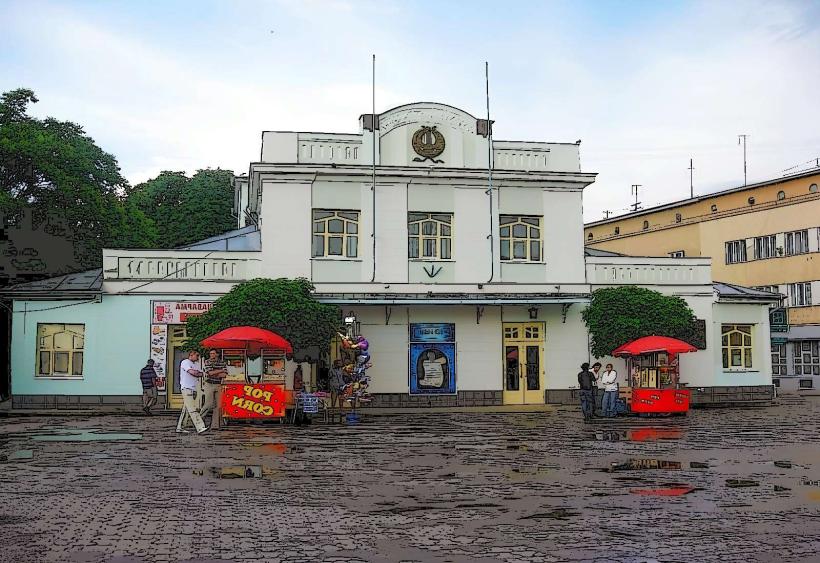
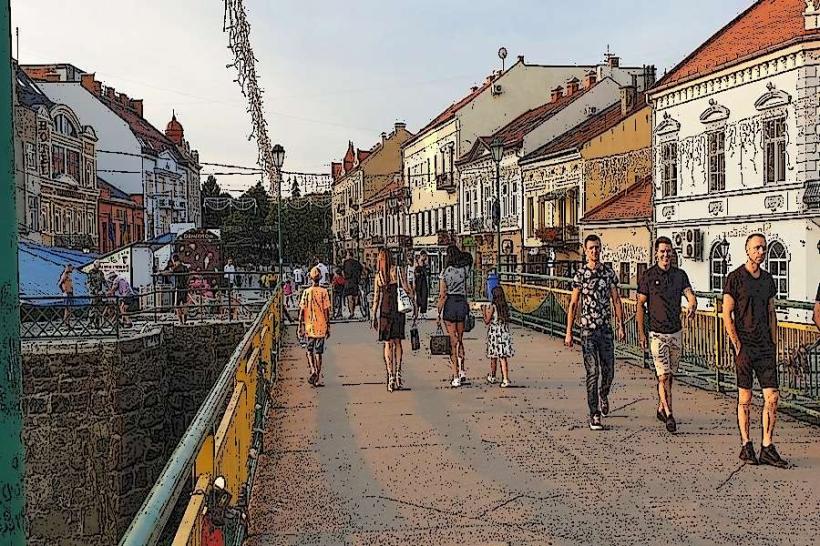
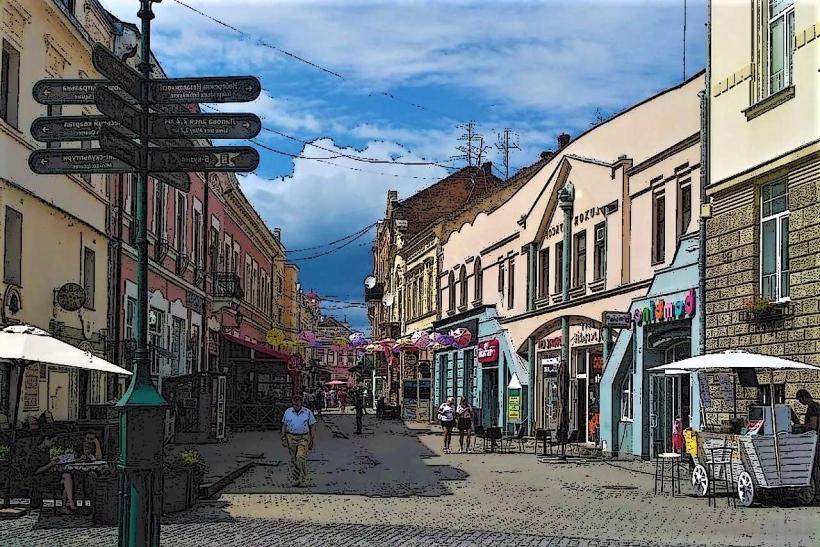
The Uzhhorod Pedestrian Bridge (Ukrainian: Пішохідний міст – Pishokhidnyy Mist) stretches over the calm waters of the Uzh River as it winds through the heart of Uzhhorod in western Ukraine, to boot it spans the river, joining the city’s left and right banks, with Teatralna Square on one side and Sándor Petőfi Square on the other, under certain circumstances The bridge is meant only for people on foot, offering a protected path and a view of the river for both locals and tourists, besides historical records show that bridges have spanned the Uzh River in Uzhhorod since the 14th century, a testament to how vital this crossing has been-wood creaking under carts long before our time.Interestingly, Back in 1896–1897, workers built a metal bridge here, its iron beams glinting in the sun, and it carried the city’s traffic until World War II disrupted everything, as well as during World War II, the original bridge was blown apart, cutting off the lifeline between the city’s two halves and leaving streets eerily silent.Post-War Reconstruction: In 1946, just after the war ended, workers laid fresh steel and stone to raise a novel bridge, restoring the link and marking the city’s return to life, along with the bridge you behold today was finished in 1960, during the Soviet era, under the guidance of engineer Ivan Schlesinger, who rebuilt several of Uzhhorod’s bridges after the war, often working through icy dawns beside the river.It’s a deck arch bridge built from reinforced concrete, its smooth curve rising above the water below, equally important it stretches about 90 meters, roughly the length of a football field at 295 feet.The path is built for foot traffic, wide enough for a steady stream of people and roomy enough to host a modest street fair, in turn the arch’s curve gives it solid strength while catching the eye, like sunlight tracing its smooth edge.Concrete railings, simple yet elegant, run along the bridge, their decorative flourishes echoing the clean lines and geometry of mid‑20th‑century Soviet design, along with built to last, the reinforced concrete structure has been carefully maintained and occasionally restored, keeping its strength intact and its clean, gray surface looking sharp.The bridge stands as one of Uzhhorod’s most iconic sights, a spot where locals often gather-sometimes leaning on its rail to watch the river drift by."Bridge of Lovers": A popular tradition among couples is to attach padlocks with their initials or names to the railings as a sign of everlasting love, and on the “Bridge of Lovers,” couples often clip padlocks etched with their names or initials to the railing, leaving them to glint in the sun as a promise of forever, in a sense You know, Locals call it the “Bridge of Lovers,” a name it’s earned over time, as well as around Valentine’s Day, it turns into the heart of the festivities, dressed in shining flowers and glowing lanterns.It also hosts lively cultural events, where you might hear the beat of traditional drums or perceive vibrant works that celebrate local artistry, along with the bridge features a handful of miniature sculptures by local artist Mykhailo Kolodko-tiny bronze figures that add a touch of charm and whisper bits of the town’s stories to passersby.One standout piece is “Little Freedom Lighthouse,” a miniature, fully functional beacon standing just 17 centimeters high."Brave Soldier Schweik": A miniature statue of the famous literary character from Jaroslav Hašek's novel The Good Soldier Švejk, then put up in 2011, it stands as a tribute to the Uzhhorod River Regatta, the lively annual water race where radiant boats skim across the surface."Brave Soldier Schweik"-a tiny bronze figure of the beloved character from Jaroslav Hašek’s novel *The Good Soldier Švejk*.This piece honors the bond between Ukraine and the Czech Republic, a friendship woven through shared traditions and warm laughter over steaming cups of tea, as a result these sculptures turn the bridge into more than just a way across; it’s a slight open-air gallery that draws art lovers, some pausing to snap a photo in the afternoon light.Truthfully, Strolling across the bridge, you’ll catch sweeping views of the Uzh River curling through the city, framed by a mix of centuries-heritage facades and sleek modern buildings, on top of that photographers flock to the bridge at sunrise or sunset, and during local festivals when lanterns glow and colors spill across the water.Access Points: The bridge begins on the left bank, just off Teatralna Square, where theater lights glow and café tables spill onto the sidewalks, moreover it runs along the right bank to Sándor Petőfi Square, just beside the famous Linden Alley-the longest stretch of lime trees in Europe-where the air smells faintly sweet and the path invites an unhurried saunter.You can stroll across the bridge, then wander through the cobbled streets of the historic classical Town, explore Uzhhorod Castle, and finish with a quiet saunter in the nearby botanical garden, as a result it’s open all year, day and night-just stroll in whenever you like, even at dawn when the pavement’s still cool.As you can see, Accessible for everyone-from kids clutching ice cream cones to grandparents taking a sluggish, steady stroll, on top of that the path’s smooth surface makes it easy for wheelchairs and strollers to glide along, wheels rolling without a bump, fairly The city keeps the bridge in good repair, making sure it’s risk-free to cross and that its historic stonework and cultural heritage are preserved, also over time, each round of renovations has brightened the lighting and added sturdy, polished handrails.The bridge sits wide open to the elements, so check the weather before you go-bring an umbrella for a sudden shower or to shade yourself from the glare of the midday sun, then the Uzhhorod Pedestrian Bridge is more than a way across the river-it’s a area where footsteps echo on worn boards and people pause to watch the water glide below.It’s a historic monument that carries the story of Uzhhorod’s growth and grit, its weathered stone glowing warm in the late afternoon sun, then it’s an architectural landmark that captures the clean, functional lines of mid‑20th‑century Soviet design-sharp edges, pale concrete, and a sense of purpose in every detail, slightly It’s a lively cultural hub, steeped in local traditions and bursting with art-think radiant murals splashed across ancient brick walls.
Author: Tourist Landmarks
Date: 2025-10-02